WordPress Themes: Design That Works for Your Business
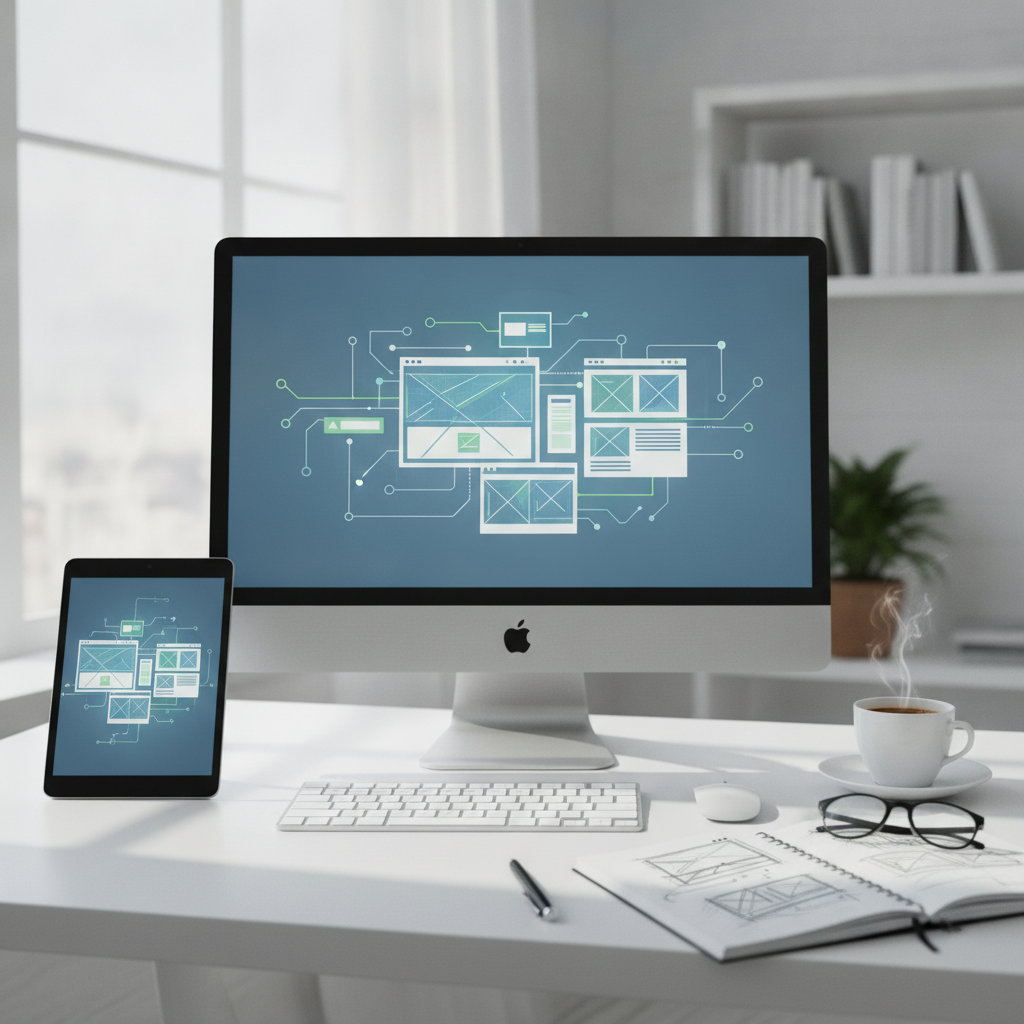
Choose the right WordPress theme to reflect your brand and engage your audience.
When you're building a website for your business, the WordPress theme you choose is more than just a pretty face. It's the foundation of your online presence, impacting everything from how your site looks and feels to how quickly it loads and how easily your customers can find what they need. For many small-to-mid business owners, the sheer number of options can feel daunting. Let's cut through the noise and provide a clear, practical roadmap.
Free vs. Premium Themes: What's the Difference?
Your first decision often comes down to budget. WordPress offers thousands of themes, broadly categorised as free or premium.
- Free Themes: Accessible directly from the WordPress theme directory, these are a great starting point for businesses with tight budgets. They offer basic functionality and design. However, they often come with limitations in customisation, fewer features, and sometimes less robust support. If you run into an issue, finding quick, dedicated help can be a challenge.
- Premium Themes: Purchased from marketplaces like ThemeForest or directly from developers, premium themes offer a significant upgrade. You're paying for advanced features, extensive customisation options, regular updates (crucial for security and compatibility), and dedicated customer support. For a growing business, the investment often pays dividends in professionalism, functionality, and peace of mind. Our experience shows premium themes generally provide a more solid and scalable foundation.
What to Look for in a WordPress Theme
Beyond aesthetics, a good theme should tick several boxes:
- Performance (Speed): A slow website frustrates visitors and can hurt your search engine rankings. Look for themes that are lightweight and optimised for speed.
- SEO Friendliness: The theme's underlying code should be clean and structured in a way that search engines can easily understand and index your content.
- Regular Updates: WordPress itself updates frequently, and so do plugins. Your theme needs to be regularly updated by its developer to ensure compatibility, security, and access to new features.
- Good Reviews and Support: Check what other users say. A theme with a strong community and responsive support team is invaluable when you need help.
- Compatibility with Essential Plugins: Ensure the theme works well with key plugins you might need, such as those for e-commerce (WooCommerce), contact forms, or SEO.
Customisation: Making It Yours (Without the Headache)
A theme is a template, not a straitjacket. The right theme provides powerful customisation options that allow you to tailor it to your brand without needing to be a coding expert.
- WordPress Customiser: Most modern themes integrate deeply with the native WordPress Customiser, allowing you to change colours, fonts, headers, footers, and layout options in real-time.
- Page Builders: Many premium themes come bundled with or are designed to work seamlessly with popular drag-and-drop page builders (e.g., Elementor, Beaver Builder). These tools empower you to create complex page layouts visually, giving you immense control over your content presentation.
The goal is to have enough flexibility to make your site unique, but not so much complexity that it becomes overwhelming to manage.
Mobile Responsiveness: Non-Negotiable
In today's market, a significant portion of your audience will likely visit your website on a mobile device. A mobile-responsive theme automatically adjusts its layout and content to look good and function perfectly on any screen size – from a desktop monitor to a smartphone. Not only is this essential for a positive user experience, but Google also prioritises mobile-friendly websites in its search rankings. Always test a theme's responsiveness before committing.
Branding Considerations: Your Website, Your Identity
Your website is a crucial extension of your brand. The theme you choose should reflect your brand's personality, values, and visual identity. Consider:
- Colour Palette: Does the theme allow you to easily implement your brand colours?
- Typography: Can you use your brand fonts, or at least fonts that align with your brand's style?
- Overall Tone: Does the theme's design feel professional, friendly, modern, or traditional, in line with how you want your business to be perceived?
A consistent brand experience across all touchpoints, including your website, builds trust and recognition with your audience.
Selecting a WordPress theme doesn't have to be a guessing game. By focusing on performance, flexibility, mobile responsiveness, and brand alignment, you can make a confident choice that serves your business well. If the process still feels like too much, remember that professional guidance can streamline the entire journey, ensuring your website is not just built, but built effectively to achieve your business goals.
Related: Read WordPress Websites: Your Foundation for Online Business Growth — WordPress Websites: Your Foundation for Online Business Growth.
Website design, CRM automation & branding →
Your local teamWebsite design & CRM across Logan, Brisbane & Australia →
Want results like this for your business?
Talk to Martin & Tabitha about website design, CRM automation and branding — taking the overwhelm out of marketing your business.